Marine and shipyard operations move on tight timelines, and staffing delays can quickly disrupt schedules, safety compliance, and production targets. As Q2 approaches, many employers underestimate how early marine staffing demand begins to build. By the time May arrives, most experienced marine professionals are already committed to projects.
For shipyards, marine contractors, and fabrication teams, the key to maintaining momentum is planning staffing needs well before peak work begins.
Why Marine Staffing Demand Ramps Up Early in Q2
Marine operations often follow predictable seasonal cycles. As winter slowdowns ease and weather conditions improve, shipyards begin dry dock work, vessel repairs accelerate, and fabrication schedules expand.
This surge increases demand for specialized marine labor, including skilled trades and support crews who understand the complexities of shipyard environments. Employers who delay hiring until May often find that qualified candidates are already placed elsewhere.
Fabrication and Repair Work Drive Early Hiring
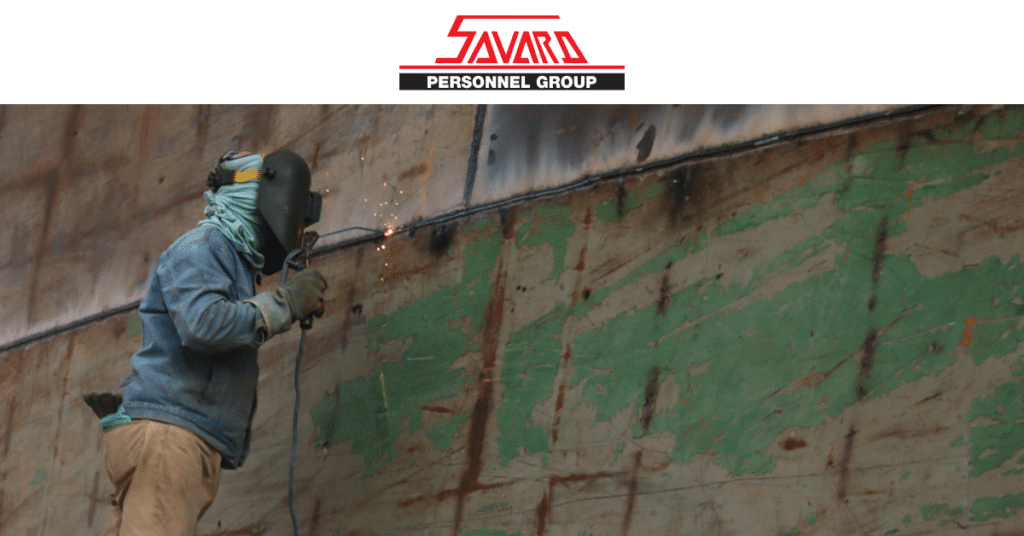
Marine fabrication and repair work typically begins ramping up in early spring. Structural steel work, welding, pipe fitting, and vessel maintenance all require skilled professionals who are familiar with marine standards and materials.
These projects depend heavily on experienced tradespeople who can work efficiently while maintaining strict safety and quality standards.
Dry Dock Schedules Create Workforce Pressure
Dry dock cycles create intense bursts of activity that require multiple skilled roles working simultaneously. Welders, fitters, electricians, and support crews must be coordinated carefully to keep vessels on schedule.
When staffing shortages occur, even minor delays can extend repair timelines and increase project costs. Early staffing ensures the right personnel are available when dry dock projects begin.
Compliance and Safety Requirements Raise the Stakes
Marine environments require strict adherence to safety regulations and compliance standards. Workers must understand confined spaces, marine safety protocols, and site-specific requirements.
Because of these specialized conditions, marine employers cannot rely on last-minute hiring. Workers must be properly vetted and prepared for the demands of shipyard environments.
Competition for Skilled Marine Talent Is Increasing
Marine professionals with fabrication and shipyard experience are consistently in demand. As multiple employers ramp up operations simultaneously, competition for these workers intensifies.
Companies that secure talent early gain a clear advantage. Waiting until demand peaks often leads to rushed hiring decisions, higher costs, or prolonged vacancies.
Early Staffing Protects Productivity
Proactive marine staffing helps employers avoid downtime, maintain safety standards, and keep projects moving forward. Planning ahead allows recruiters to build talent pipelines, verify certifications, and match candidates to specific roles before work begins.
Organizations preparing for upcoming marine projects can partner with SAVARD Group to secure skilled trades and marine professionals before the Q2 hiring surge intensifies.
Prepare Now for Q2 Marine Workforce Demand
Marine staffing is not something that can be solved overnight. Shipyard operations, fabrication schedules, and repair projects require experienced workers who are ready to perform in highly specialized environments.
https://www.savardgroup.net/employers/Employers who act early are better positioned to secure the talent they need and avoid costly delays later in the season. If your organization is preparing for marine projects in Q2, you can request talent and start building your workforce today.